Optimal Timing for Ceiling Repairs
Ceiling repairs are most effectively scheduled during specific times of the year to ensure optimal conditions and minimal disruption. Factors such as weather, humidity, and indoor temperature can influence the quality and longevity of repairs. Understanding these factors helps determine the ideal timing for ceiling maintenance or restoration projects.
Spring offers moderate temperatures and lower humidity levels, which are ideal for ceiling repairs. This season allows for proper drying and adhesion of materials, reducing the risk of future issues.
Summer provides longer daylight hours and generally dry weather, making it suitable for extensive ceiling work. However, high humidity in some regions can delay drying times if not managed properly.
Early fall combines cooler temperatures with less humidity, creating favorable conditions for ceiling repairs. Scheduling during this period helps avoid the peak heat and humidity of summer.
Winter is typically less suitable due to cold temperatures and increased humidity indoors, which can impede drying and curing processes, potentially leading to longer repair times or compromised results.
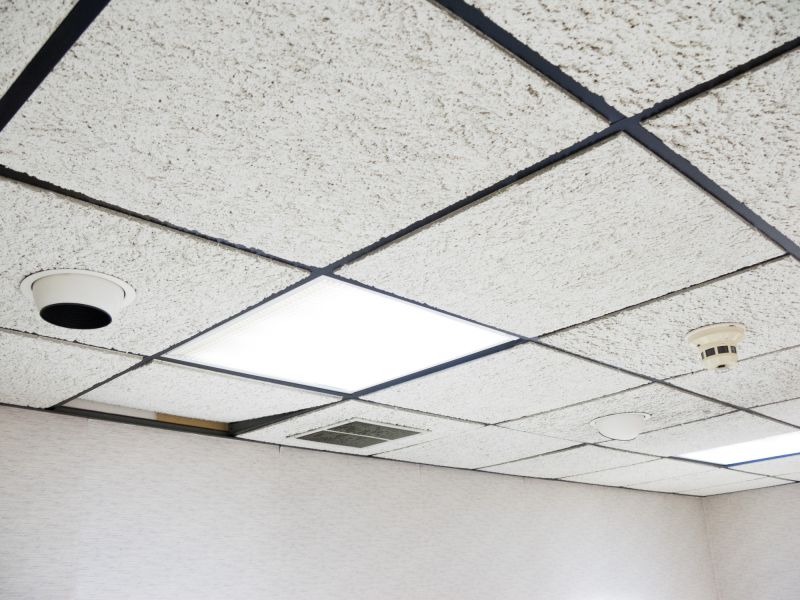
Ways to make Ceiling Repairs work in tight or awkward layouts.
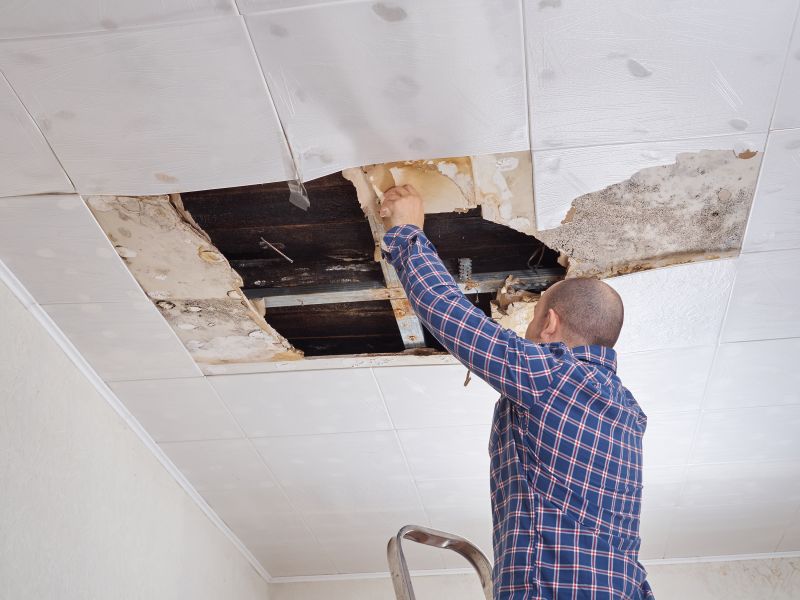
Popular materials for Ceiling Repairs and why they hold up over time.
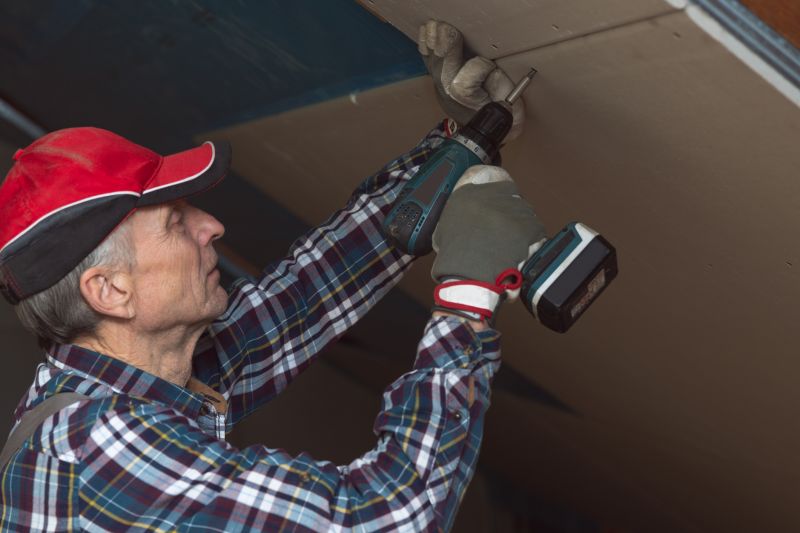
Simple add-ons that improve Ceiling Repairs without blowing the budget.
Ceiling repairs encompass a variety of services, including patching cracks, replacing damaged panels, and addressing water stains or sagging. Proper timing ensures that repairs are durable and effective, reducing the need for frequent future work. Seasonal considerations also impact the choice of materials and techniques used in ceiling restoration.
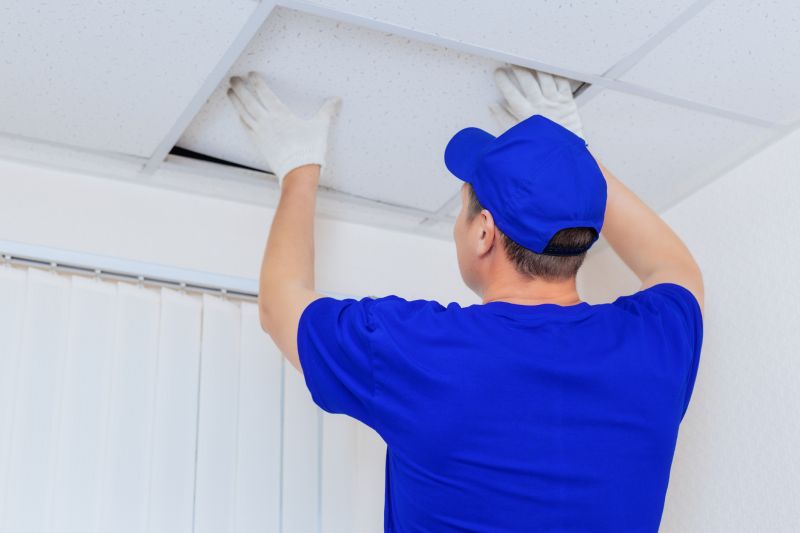
High-end options that actually feel worth it for Ceiling Repairs.
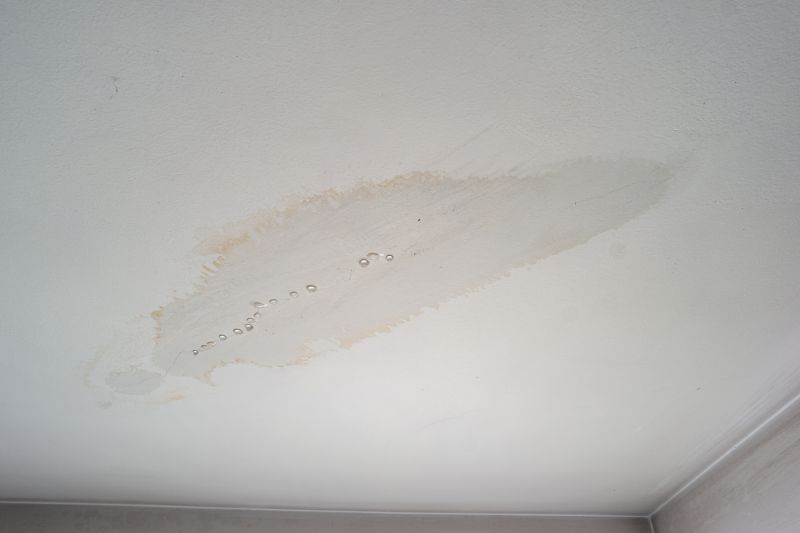
Finishes and colors that play nicely with Ceiling Repairs.
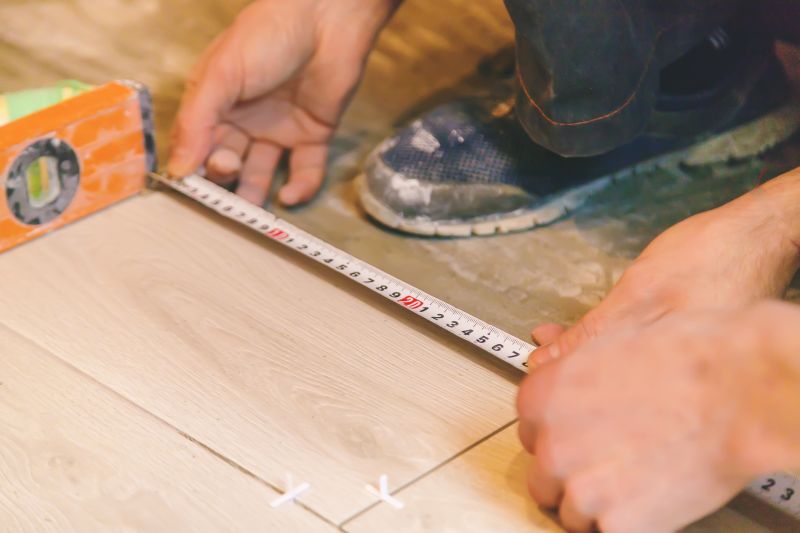
Little measurements that prevent headaches on Ceiling Repairs day.
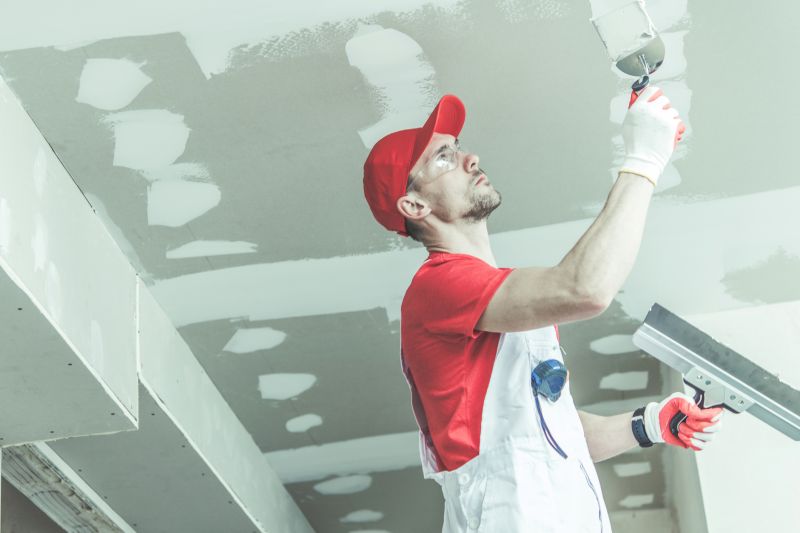
A 60-second routine that keeps Ceiling Repairs looking new.
| Season | Ideal Conditions |
|---|---|
| Spring | Moderate temperatures, low humidity |
| Summer | Dry weather, longer daylight |
| Early Fall | Cooler temperatures, less humidity |
| Winter | Cold temperatures, high indoor humidity |
Scheduling ceiling repairs during appropriate seasons can lead to better adhesion, faster drying times, and longer-lasting results. Proper planning based on seasonal weather patterns helps minimize disruptions and ensures the quality of work.